
Port access control: Securing perimeters and remote assets
In port environments, access control is rarely just about security and often closely tied to operational performance. If a perimeter gate cannot be secured quickly, if contractor access becomes difficult to manage, or if a lost key triggers urgent rekeying, the impact is operational as well as security-related.
With sprawling estates, remote compounds and harsh coastal conditions, ports need access control that protects critical infrastructure without slowing cargo flow or day-to-day operations.
Why is port perimeter and remote asset security a growing priority?
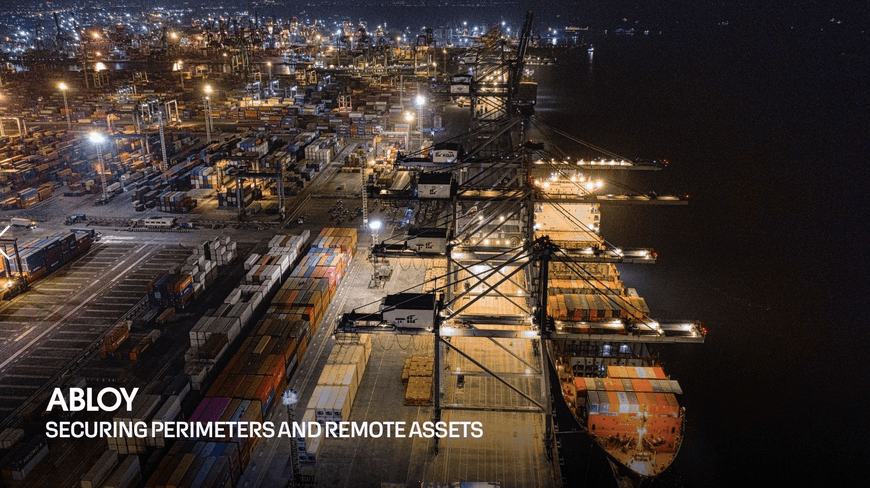
Ports typically manage wide, complex estates that include:
· Remote perimeter gates and waterside access points
· Isolated plant, substations and storage compounds
· Mixed-use operational buildings
· Restricted zones requiring strong accountability
These assets are often disparate, geographically spread out, and have no power or network infrastructure, making consistent access control more challenging than at most industrial sites. Effective solutions help ports maintain security, operational efficiency and compliance simultaneously.
Port access control challenges
Several recurring challenges affect perimeter security and remote infrastructure:
· Perimeter sprawl: Multiple entry points and remote assets make consistent control difficult.
· Contractor access management: Temporary permissions can become difficult to track if they are not time restricted or centrally managed.
· Lost keys and rekeying disruption: Mechanical systems can create operational delays and cost when keys are misplaced.
· Audit and compliance pressures: There is increasing pressure to demonstrate control over restricted areas with verifiable records.
· Harsh environmental conditions: Coastal exposure quickly reveals whether equipment is designed for durability.
These pressures are prompting many ports to treat access control as an operational system rather than simply a locking function.
Effective port perimeter access control
Strong modern approaches typically include:
· Quick and easy permission changes without operational disruption
· Oversight of access activity for audits or investigations
· Time-limited contractor credentials
· Coverage for remote sites without extensive infrastructure
· Hardware designed for coastal resilience
Electromechanical and wireless access solutions are increasingly supporting these requirements.
How can ports secure remote assets without adding infrastructure?
Solutions designed specifically for remote environments are becoming increasingly important. For example, Abloy BEAT provides Bluetooth-enabled access control suited to perimeter gates, isolated compounds and infrastructure where wiring or networking is impractical. This allows controlled access while avoiding major installation work.
Similarly, electromechanical key systems such as PROTEC2 CLIQ introduce auditability and remote permission updates without replacing existing mechanical infrastructure. Lost keys can be cancelled electronically, reducing operational disruption.
Integrated security across port estates
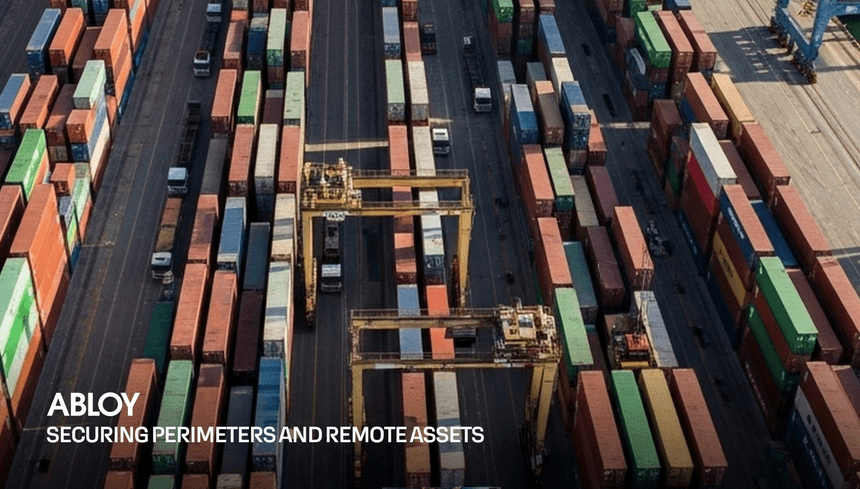
Many ports adopt a layered approach, applying different technologies according to operational need. SMARTair supports wireless access control in internal buildings such as offices, control rooms and workshops, where flexible administration is essential.
Centralised oversight through platforms like CIPE Manager helps maintain consistent governance across complex estates, reducing administrative burden and improving compliance visibility.
Where broader operational integration is required, solutions such as braXos Steward allow access permissions to align automatically with HR updates, contractor systems or Permit-to-Work processes.
How does access control support security and operational efficiency?
This balance is increasingly central to port strategy, and effective access control helps:
· Protect critical infrastructure without slowing operations
· Reduce administrative workload linked to keys and permissions
· Improve audit readiness and incident response
· Maintain secure contractor workflows
· Provide durable performance in demanding environments
For many operators, access control is now considered part of operational resilience as much as physical security.
The role of Abloy UK in port security
Abloy UK provides locking and access control solutions designed for critical infrastructure environments including ports, transport hubs and industrial sites. Its portfolio combines electromechanical, wireless and integrated technologies aimed at supporting security, compliance and operational efficiency across complex estates.
David Rock, CNI Team (Transport Sector) at Abloy UK
For further information on products and services available from Abloy, visit https://bit.ly/4t1zMOo, call 01902 364 500, or email info@abloy.co.uk

