
Port fuels growth with new LNG service
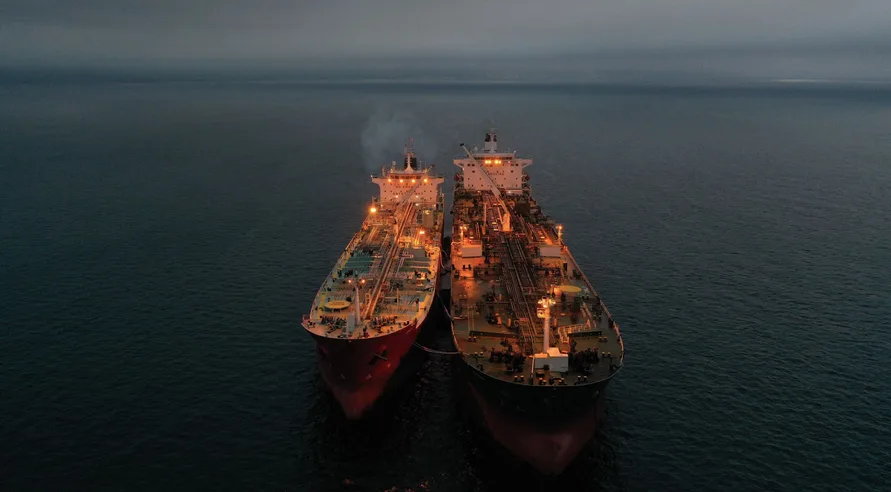
Portland Port has stepped up its capabilities after becoming fully approved to conduct liquefied natural gas (LNG) ship-to-ship transfers.
Portland is already fully operational for oil and liquified petroleum gas (LPG) transfers, with LNG ship-to-ship (STS) transfers a further enhancement of its service provision.
The milestone comes as the port celebrates its 30 anniversary this year as a privately operated commercial facility, providing reliable, safe and customer-focused services.
Ian McQuade, Portland Port commercial director, said:
“Our new STS licence means that we can now support LNG transfers directly at our port.
“It will help reduce transit times and streamline operations for the LNG supply chain while providing access to a fully compliant and experienced marine infrastructure.
“With our strategic location 20 miles north of the English Channel shipping lanes and our well-established record in licensed and fully compliant STS transfer operations, we hope to work closely with customers to support their commercial and operational objectives.
“The new licence also comes as we celebrate our 30th anniversary in 2026 and continue to build our business with benefits for the local economy.”
STS operations can be undertaken alongside one of the port’s berths or at anchor in either the inner or outer harbour.
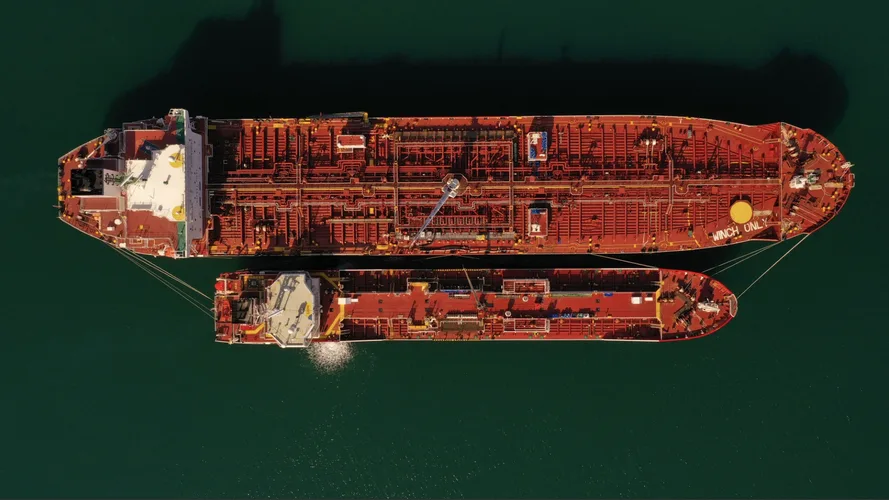
The port and the harbour authority ensure strict regulations are met for the bunkering of fuel either alongside or at anchorage.
LNG is a natural gas that has been cooled to a liquid state of about -161°C (-259°F), which reduces its volume by around 600 times – making it easier and safer to store and transport.
When LNG reaches its destination, it is turned back into natural gas at regasification plants.
Its uses include power generation as a lower carbon alternative to coal, as a raw material and energy source for manufacturing and as fuel for ships and heavy goods vehicles.
LNG produces 40% less carbon dioxide (CO2) than coal and 30% less than oil, which makes it the cleanest of the fossil fuels, according to the National Grid.
Visit https://www.portland-port.co.uk/commercial-enquiries/sts/ for more information.
Twenty years anniversary celebration logotype. 20th anniversary logo set
