
Port Infrastructure Repairs in 2026: Overcoming Failure in Marine Assets
Port infrastructure rarely fails in one sudden moment. More often, damage develops gradually through chloride exposure, wetting and drying cycles, abrasion, impact, movement and water ingress. In quays, harbour walls, piers, berths and associated concrete assets, small defects can become larger operational risks surprisingly quickly. That is why port infrastructure repairs in 2026 need to focus not only on fixing visible damage, but on intervening earlier, specifying more accurately and completing work with minimal disruption – which is only benefitted by making the right selection of repair materials such as the revolutionary NATCEM range, from Natural Cement.
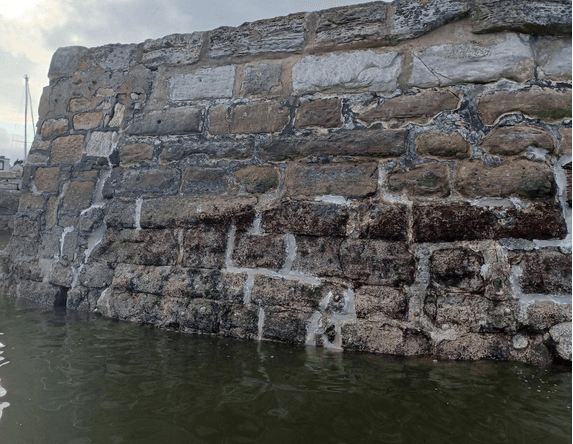
In marine environments, repairs are rarely carried out under ideal conditions. Access may be limited. Tidal windows may be short. Surfaces may be wet, saturated or fully submerged. Shutdowns may be difficult to secure. Under those conditions, the real question is not simply whether a structure can be repaired. It is whether the chosen repair method can be applied reliably in the conditions found on site.
Best practice starts before any material is mixed. First, engineers need to identify the true nature of the defect. Section loss, cracking, active leakage, voiding and surface deterioration may appear related, yet each can demand a different response. Second, the exposure environment must be assessed honestly. Splash-zone conditions, tidal action, salt contamination and constant water movement all affect methodology and material choice. Third, the repair sequence must reflect operational reality, including safe access, restricted working time and the need to return assets to service quickly.
This is where port infrastructure repairs often succeed or fail. A material may appear suitable on paper, yet prove far less effective if it cannot tolerate water, cannot resist washout or cannot gain strength quickly enough. For port owners, engineers and contractors, the priority is to match the repair method to the failure mode and the site conditions rather than rely on a one-size-fits-all approach.
Different defects call for different responses. Active water ingress may need immediate sealing before further works can begin. Localised section loss may require a rapid structural repair mortar that can be applied in damp or tidal conditions. Larger deteriorated areas may be better addressed with sprayed concrete. Hidden washout, voids or instability behind a face may call for grouting or void filling instead of surface treatment alone. That approach is more consistent with good asset management because it addresses the condition properly, not just the visible symptom.
For port infrastructure repairs, materials that offer waterproof performance, strong bond, rapid setting, rapid curing and resistance to washout can provide a clear advantage. They allow teams to work within tight windows and reduce the time between intervention and return to service. They also widen the range of repairs that can be completed in wet, tidal and underwater conditions.
Natural Cement systems suit that kind of repair strategy. NATCEM® 35 is designed for rapid structural repairs where water, tidal exposure or underwater application may complicate conventional methods. NATCEM® AC offers another option for robust repair and reinstatement. WATERSTOP can arrest active ingress, while sprayed concrete, grouting and void-filling techniques extend the approach from isolated patch repairs to broader structural rehabilitation. The important point is not that one material solves every defect. It is that the repair system should fit both the failure mode and the working environment.
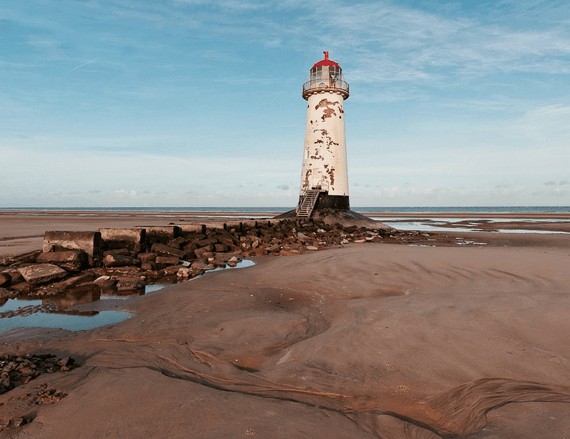
That principle is reflected in comparable marine and coastal works. At Colonsay Harbour, NATCEM® 35 was used for underwater concrete repairs. At Arbroath Harbour and South Queensferry Harbour, repair works showed the value of rapid-setting materials in wet and tidal conditions. Structural repairs at White House Estate Pier demonstrated relevance to marine concrete reinstatement, while the Talacre Lighthouse project reinforced the need for repair methods that can cope with aggressive coastal exposure, water and restricted access. Although each site had its own constraints, the lesson was consistent. Effective port infrastructure repairs depend on choosing materials and methods that reflect real-world conditions.